きっかけは、80年代後半に徳島市で英語を教えていたアメリカ人が書いた一冊の本でした。彼は授業で偶然上勝町の住人に出会いました。本当の意味での持続可能なということを体現した、様々な日本人と知り合ったのです。 これらの出会いから物語は生まれ、その物語から一冊の本が生まれました。アンディ・クチュリエの『Abundance of Less』は、私が何か意義・目的というようなものを求めていたときに出会った本です。そして、それらを見つけることが出来た人々の言葉は、私に新しいインスピレーションを与えてくれました。
Small Places, Big Changes - How the Smallest Village on Shikoku Island Became Japan’s Symbol for Sustainability
By Linda Ding - Co-Founder of INOW
イノウ, Coming Home To Kamikatsu
The first time I stepped foot in Kamikatsu, it was evening. It quickly struck me just how dark the world could be. So this is true nightfall, I thought to myself. Only a sparse few street lamps offered any kind of reprieve, and in the absence of the usual city nightscape, in contrast the silence all around was deafening. But once your ears adjust, you’ll pick up notes of the river’s lullaby, joined by a chorus of frogs and insects in dialogue. The whole scene is overlooked by an abundance of stars that always tends to throw in a shooting star, or three, just for good measure.
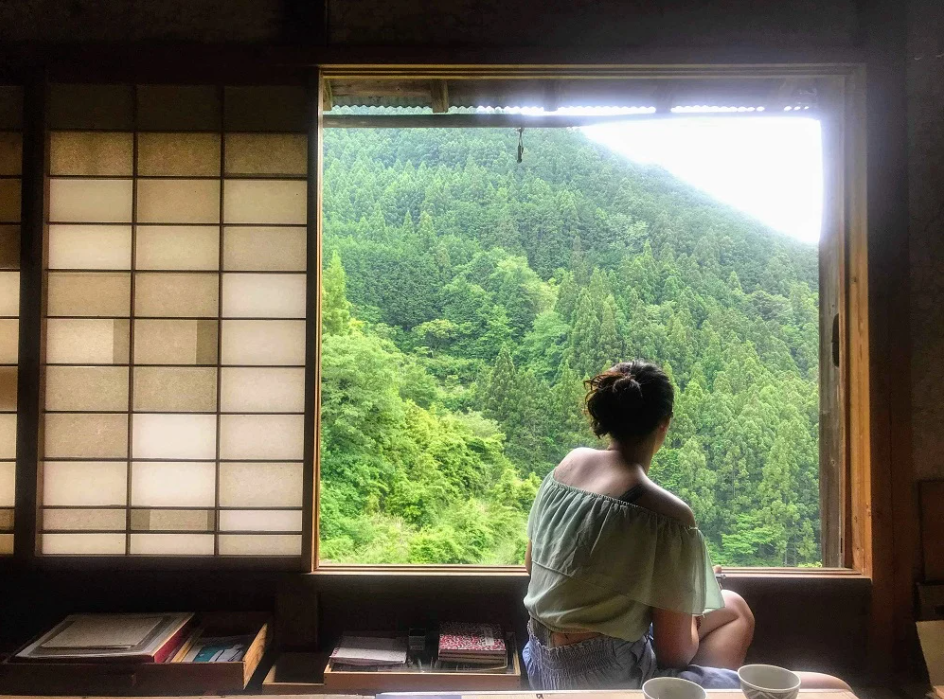
In the morning when I woke and walked out of my door, the cedar forested mountains greeted me hello. Multiple birds flitted by good morning, while a snake tanning on the road slid shyly away. On this, my first introduction to the sleepy mountain village, I could already tell something in my city-dwelling heart was starting to open.
Kamikatsu is not the first place one might expect to find an expat from Canada moving to. It’s probably not second, or even third, on that list either. But two Canadians currently call the smallest village on Shikoku island home, and we wouldn’t want to have it any other way. Even though globally, Kamikatsu is known first and foremost for its Zero Waste garbage separation system, something else entirely drew me to the village back in 2019.
It started with a book that fell into my lap, written by an American who had taught English in Tokushima city back in the late 80s. By chance he met a Kamikatsu resident in one of his classes, and from that first serendipitous encounter was introduced to a whole network of individuals in Japan, those whose lives embodied the truth of what sustainability means. From those encounters stories were told, and from these stories a book was born. The Abundance of Less by Andy Couturier reached me at a time when I was looking for more meaning, and reading the words of wise men and women who seem to have found theirs gave me new inspiration.
When a chance arrived to visit the village of Kamikatsu, and in turn some of the people featured in the book, I knew I had to go. The tour was planned for a total of ten days. By the eighth day of waking up to stunning mountain vistas, the river at its feet, feeling the cool breeze on my face knowing that nature was here, right here, I knew. The great outdoors was no longer something I needed to “go into.” It was close enough I could reach it just by opening a window, walking outside any door, and I knew. I wanted to be in nature every single day. So when the tour ended and everyone else went home, I stayed. And just like that I suddenly had a new place to call home.
It’s been two years now since that first fateful meeting. The beauty of the village never ceases to amaze me still. In one of the wildest places of civilization I have ever seen, I’ve come to realize that even more beautiful than the mountains are the people who live in them. I’ve met residents whose lives embody the meaning of sustainability. They grow the food that they eat, and need nothing more than their own hands to make energy. They design their own lives, dictate their own time, and pursue knowledge through books and art. There is a richness in life here that is so easily lost in the fast pace of cities.
And it is not a secret. Not something unattainable or impossible. The lessons to be learned for how to achieve a good life are adaptable to anybody. It is simply a question of experience. What could you take away from getting in the dirt and learning how to grow food naturally? When was the last time you spent an afternoon drawing, writing, or creating something with your own hands? Or having undivided time to get lost in the wilderness, hiking in mountains and swimming in rivers? What experience teaches us is far deeper than hearsay from somebody else. Experience is what is true for you. And by knowing that truth, you can decide uniquely what ‘a good life’ means to you.
This is the next step for us in Kamikatsu. To open the doors and share in the wonders that have given me so much joy and inspiration.
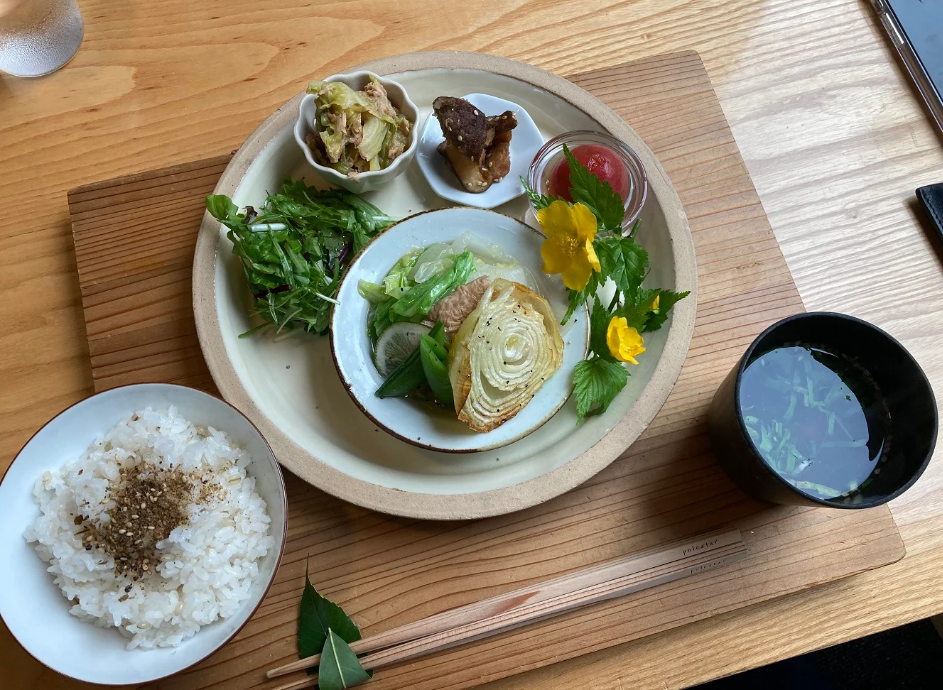
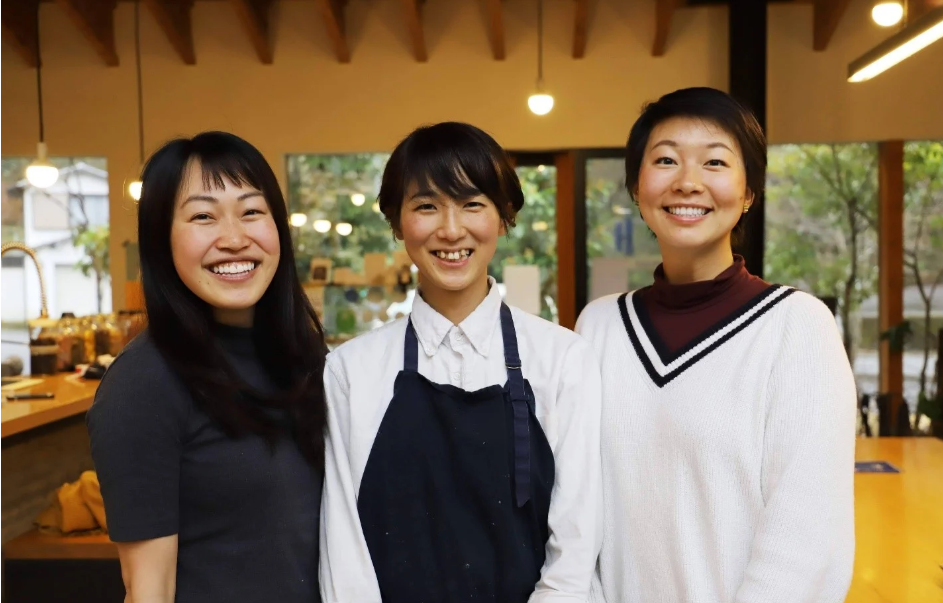
As such, in July 2020 my co-founders Terumi Azuma, Kana Watando and I started INOW, a homestay program aimed at creating transformative travel experiences for guests desiring to learn more deeply about Kamikatsu, and themselves. INOW gives us the opportunity to pass on to our guests the things we have learned from living in the Zero Waste village. Using zero waste as a foundation, guests get to experience for themselves what garbage separation into forty-five categories is really like on a daily basis. And beyond just the basics of the system, INOW aims to deeply entrench our guests into the fabric of the community here, so they can experience life in Kamikatsu not as a visitor but more like a resident.
We often hear from visitors that while the system in Kamikatsu is good, it is not easily replicable outside of a small municipality. And it is true that even if someone becomes inspired by the waste separation system here, they cannot participate if they do not have the same system back home. But one of the best lessons I have learned about sustainability is that acting sustainably does not depend upon the system you live in. If we wait for the flawed systems around us to change, we’ll be waiting for a long time. The world may already be over by then.
But if we want to start doing things that will make a difference for us, that we don’t need to wait on anybody for. We always have the power to make better choices for ourselves. To take less, give more, care for ourselves and care for each other. If we only change our own mindsets, become happier, healthier human beings, the planet will heal alongside us. It can’t help but to do so.
I’m often asked what do I think my future looks like. Will I go on living in Kamikatsu? To that I always say, I don’t know. I can’t predict what will happen tomorrow. But I do know that today, and each new day, I wake up grateful to call, what is to me the most beautiful place on earth, home.